AI rights guide: Protecting privacy with 18
"The development of intelligent systems must be grounded in the fundamental principles of liberty and equality to ensure they serve humanity rather than undermine it."
Establishing an AI human rights global rules framework ensures that automated decision-making does not infringe upon individual liberties or perpetuate historical biases.
This guide explores how international standards protect privacy and expression, while highlighting the necessity of accountability in governance.
Key takeaways include understanding the intersection of technology and civil liberties, recognizing the importance of freedom of expression, and addressing the challenges of institutional accountability.
Why should we focus on AI human rights global rules?
At the dim desk, the researcher wipes sweat from their brow while staring at the screen, wondering if the glowing code respects human rights.
A researcher sits at a desk, staring at a glowing screen where an algorithm determines eligibility for basic services. They wonder if the logic behind the machine respects the inherent dignity of the user.
The pursuit of an AI human rights global rules framework is essential because technology can inadvertently scale discrimination or violate privacy on a massive level. Without clear standards, automated systems may bypass the legal protections established to prevent unfair treatment.
Historically, the struggle for rights has centered on preventing institutional bias.
For instance, a notable pre-Human Rights Act case illustrating the challenges of holding public bodies accountable involved Kelly Davis, a Black builder from Bath, who faced repeated planning refusals by Wansdyke District Council between 1989 and 1991.
This historical context proves that without oversight, administrative processes can be used to target specific individuals.
As we transition from manual bureaucracy to automated systems, we must prevent similar outcomes. Protecting civil liberties AI requires that we embed human rights into the very code used to govern social interactions.
How can we protect freedom of expression in a digital age?
A writer types a controversial opinion into a social media interface, knowing that an automated moderator might flag the text instantly. The tension between automated oversight and free speech becomes palpable.
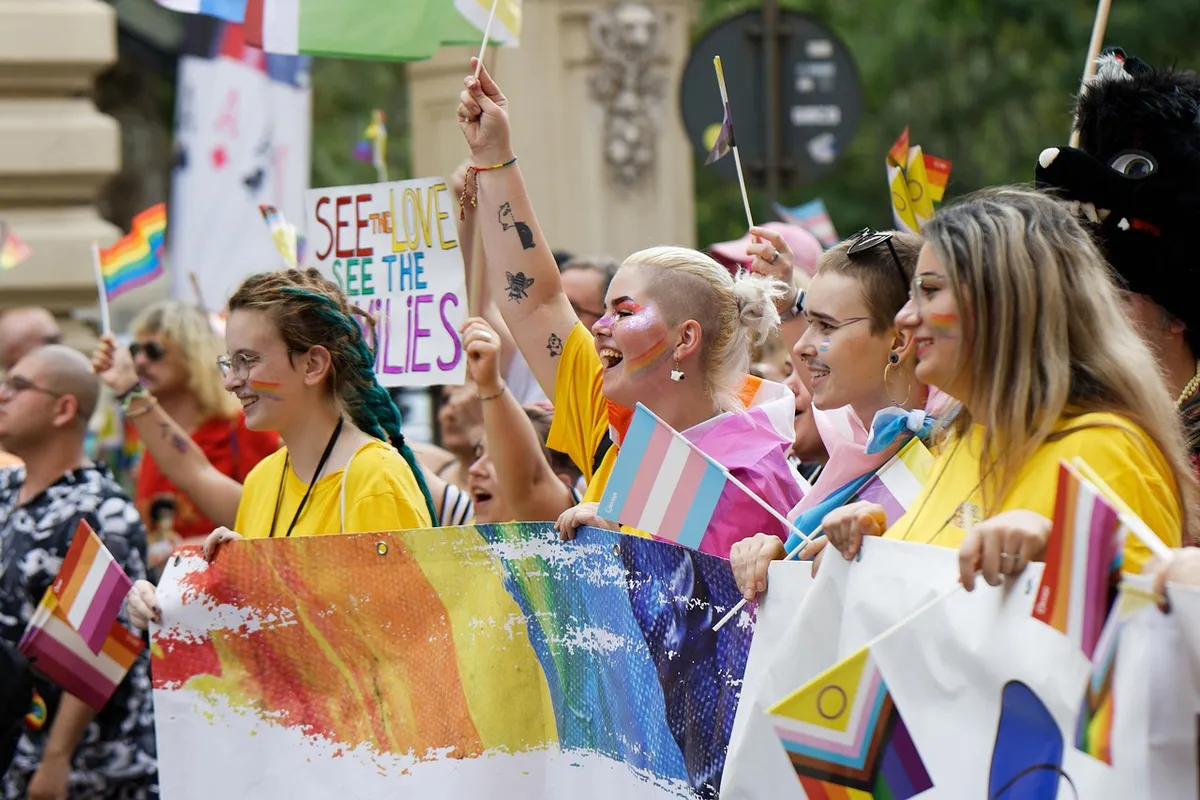
Protecting freedom of expression within technological frameworks relies on upholding international standards of thought and opinion. AI ethics human rights must be integrated into the development of content moderation tools to prevent censorship.
The importance of these values is well-documented in historical declarations.
In 1997, the council of the American Library Association (ALA) endorsed Articles 18 through 20 concerning freedoms of thought, opinion, and expression, which were codified in the ALA Universal Right to Free Expression and the Library Bill of Rights.
These principles serve as a foundation for ensuring that digital platforms do not suppress diverse viewpoints.
Maintaining an AI democratic values guide involves ensuring that algorithms do not suppress the right to hold and express opinions. Just as the ALA protected intellectual freedom, modern developers must ensure that automated systems do not become tools for invisible censorship.
What are the risks to privacy and non-discrimination?
In the quiet office, a cold chill runs down the user's spine while they watch the screen bypass their privacy rights.
A person stands in a queue, holding an identification card while an automated scanner records their biometric data. They feel a sudden sense of vulnerability regarding their personal information.
The risk of privacy violations and systemic bias is a central concern for AI governance. AI rights global standard development must address how data collection and algorithmic decision-making impact personal privacy and equality.
Legislative discussions have often highlighted these exact risks.
On 2 February 2005, Parliament's Joint Committee on Human Rights suggested that the Identity Cards Act 2006 might contravene Article 8 of the European Convention, regarding the right to respect for private life, and Article 14, regarding the right to non-discrimination.
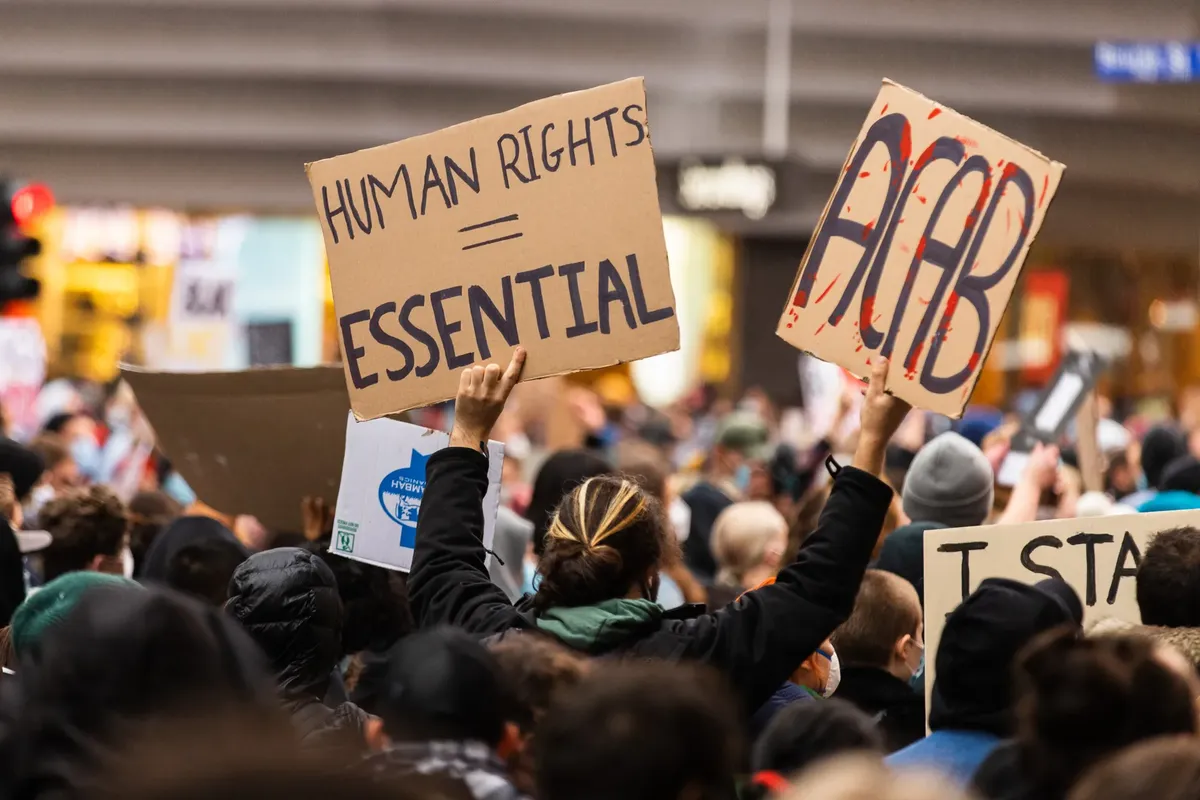
These legal concerns are directly applicable to modern biometric and data-driven AI systems.
An AI governance international framework must prevent the automation of discrimination. If an identity-based law can spark such debate, then automated profiling requires even more rigorous scrutiny to protect the right to privacy and equality.
How can we implement an AI bias fairness checks?
An engineer reviews a dataset, looking for hidden patterns that might favor one demographic over another. They realize that the data itself may contain the seeds of inequality.
Implementing an AI bias fairness checks process requires a systematic approach to data integrity and algorithmic auditing. Developers can follow these three steps to mitigate bias:
- Audit training datasets for historical biases that could lead to discriminatory outcomes. 2. Implement regular testing protocols to ensure the algorithm performs equitably across different demographic groups. 3. Establish transparency in how decisions are reached so that the logic can be audited by human oversight.
I once participated in a data review session where we realized that a specific subset of data was skewing the results for certain users. This experience highlighted why regular checks are vital.
A final check involves comparing the algorithmic output against real-world demographic distributions to ensure no group is disproportionately affected. An AI-driven society must remain accountable to the people it serves.
What are the limitations of these guidelines?
A policymaker looks at a map of the world, realizing that different nations have vastly different legal standards and technological capabilities. The difficulty of creating a unified rule becomes clear.

A limitation of creating a universal framework is that it must account for diverse legal landscapes and cultural values. While global standards are necessary, they may face challenges in regions with different interpretations of privacy or expression.
| Aspect | Historical/Legal Precedent | Modern Technological Application |
|---|
| Rights Protection | ALA Universal Right to Free Expression | Content moderation and digital speech |
The table above compares the focus of historical rights with their modern technological equivalents. Ensuring that automated systems remain within the bounds of human rights is a continuous challenge.
- Why should we focus on AI human rights global rules?
- How can we protect freedom of expression in a digital age?
- What are the risks to privacy and non-discrimination?
Related





Comments 0