AI data center power use: 10 times search energy tips
"The larger AI data centers currently under construction could consume as much electricity as 2 million households."
The rapid expansion of AI data center power use is driving an unprecedented surge in global electricity demand and greenhouse gas emissions.
This energy-intensive shift requires massive infrastructure investment, specialized hardware procurement, and complex regulatory navigation to manage the environmental footprint.
Key takeaways: * Large-scale AI data centers pose significant risks to local power grids and emission targets. * Infrastructure investments for AI are projected to reach trillions of dollars by 2030.
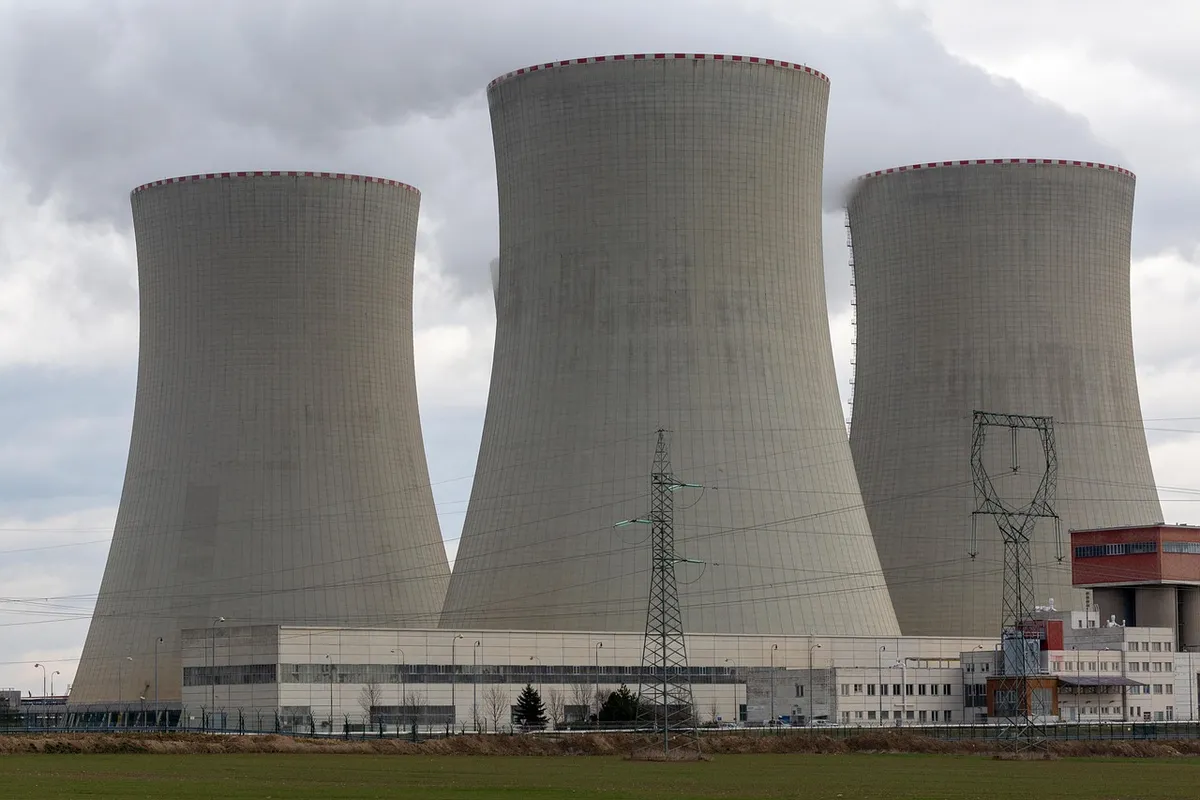
* Regulatory challenges, such as nuclear power distribution, complicate the transition to sustainable energy.
How much electricity will AI data center power use require?
A technician adjusts a cooling vent in a massive, humming server room filled with blinking lights. The sheer scale of the hardware suggests a growing appetite for electricity that could outpace residential growth.
According to the International Energy Agency, larger AI data centers currently under construction could consume as much electricity as 2 million households. This massive energy drain highlights the growing pressure on existing power grids to support high-performance computing.
The scale of this demand is reflected in the sheer volume of hardware required to keep these systems running. Managing the AI power consumption rise requires rethinking how we distribute electricity to satisfy these concentrated loads.
The expansion of high-performance computing hardware will lead to a substantial increase in total power consumption.
How much computing power will AI actually need?
Late at night in the quiet office, an engineer rubs tired eyes while scrolling through the growing volume of processing data. An engineer reviews a spreadsheet showing massive capital expenditure projections for a new facility. The numbers indicate a shift in global economic priorities toward digital infrastructure.
A 2025 report from the consulting firm McKinsey & Company estimated that by 2030, $2.7 trillion would be invested into AI infrastructure and data centers in the US. This level of investment would surpass the monthly spending of World War II's Manhattan Project.
The sheer volume of capital flowing into these centers suggests a permanent shift in energy demand. As these facilities come online, the data center energy drain will become a primary driver of industrial electricity consumption.
The scale of demand is expected to grow as model complexity and hardware density increase.
How does AI-driven energy demand affect the environment?
A scientist monitors an atmospheric sensor near a sprawling industrial park. The data shows a direct correlation between increased power generation and rising emission levels.
According to the EPA, recycling aluminum cans, for example, saves 95 percent of the energy required to make the same amount of aluminum from its virgin source, bauxite.
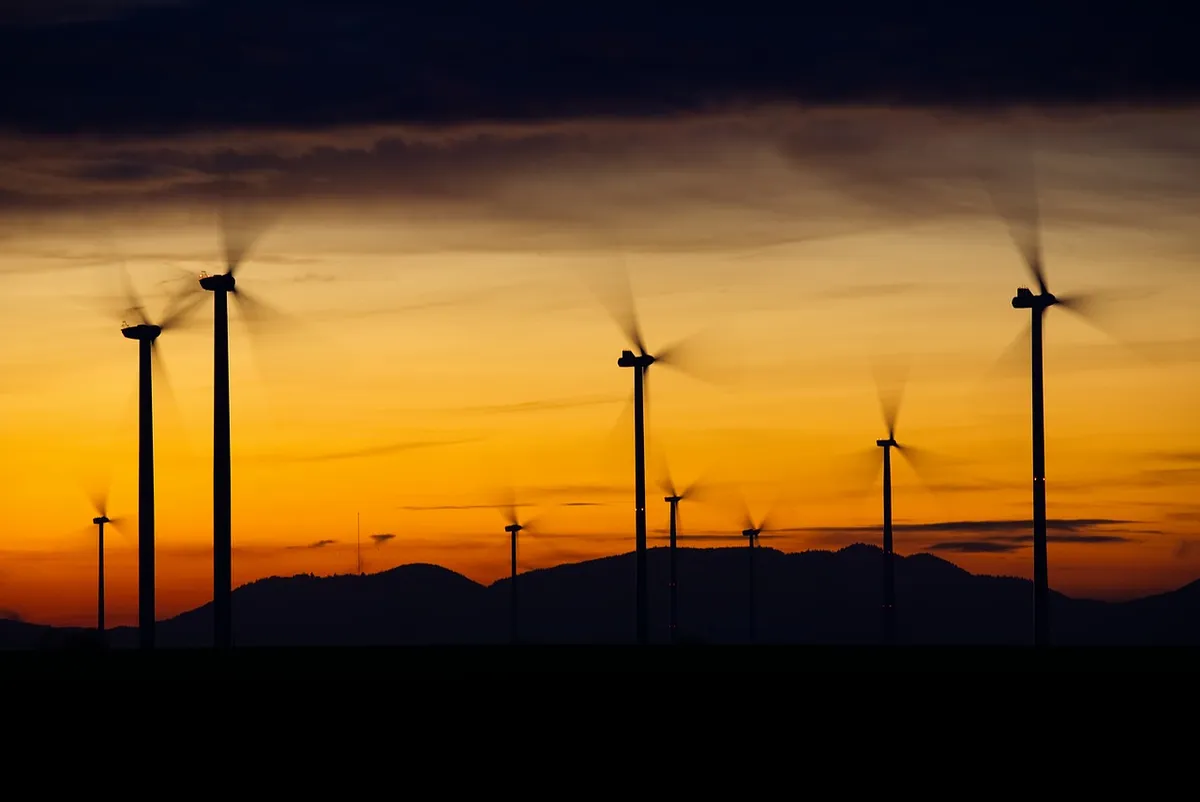
In 2025, a report prepared by the IEA estimated the greenhouse gas emissions from the energy consumption of AI at 180 million tons. This figure represents the growing environmental cost of processing vast amounts of data.
The carbon footprint of these centers is a central concern for climate goals. An AI energy footprint analysis shows that without clean energy integration, these emissions could undermine global sustainability efforts.
Increased energy consumption places additional pressure on existing power grids and natural resources.
Can regulators really handle the energy transition? A lawyer reviews a legal brief regarding a power supply agreement between a utility provider and a tech company. The tension between private energy needs and public regulation is palpable.
On 1 November 2024, the Federal Energy Regulatory Commission (FERC) rejected an application submitted by Talen Energy for approval to supply some electricity from the nuclear power station Susquehanna to Amazon's data center.
This decision highlights the legal hurdles in securing dedicated power sources for tech giants.
Regulatory decisions often dictate how power is routed from plants to data centers. Navigating these rules is essential for managing the sustainable AI power needs of the future.
Policy frameworks must balance the rapid growth of technology with the stability of the energy infrastructure.
What are the steps to managing data center energy?
A project manager walks through a construction site where new power lines are being laid. The team follows a specific sequence to ensure the grid can handle the new load.
- Assess local grid capacity to ensure the existing infrastructure can support high-density server loads without causing outages. 2. Secure reliable, long-term energy contracts that often involve negotiating with nuclear or renewable energy providers. 3. Implement advanced cooling and hardware efficiency technologies to mitigate the heat and power load generated by the servers.
A final check of the power distribution plan ensures that the facility meets both regulatory requirements and operational stability.
- Optimize hardware efficiency to reduce waste.
- Implement advanced cooling technologies.
- Integrate renewable energy sources into the power supply.
In this sequence, the second step is the most extensive.
What are the limitations of current energy solutions?
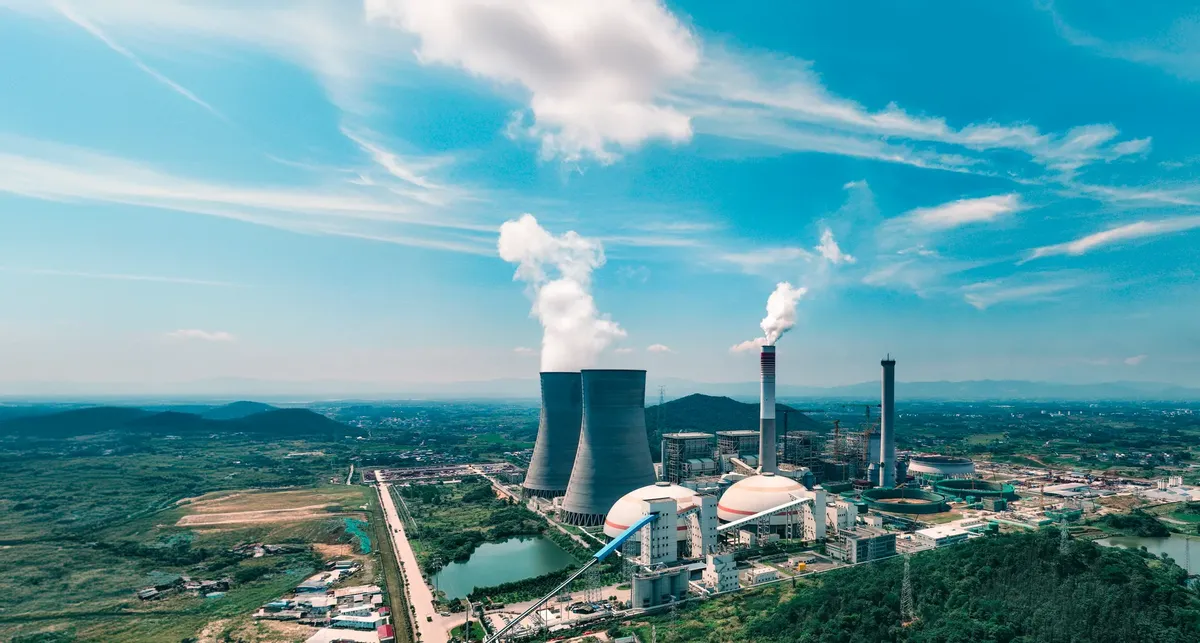
A technician stands before a massive transformer, looking at the complex web of wires. The sheer amount of power required makes it difficult to find a single, perfect solution.
A limitation of these energy strategies is that they are often bound by specific regional regulatory environments and existing grid limitations.
For example, the ability to draw power from a specific nuclear plant depends entirely on the approval of bodies like the Federal Energy regulatory commission.
Intermittency in renewable sources and the physical constraints of the grid pose significant challenges to meeting constant power needs.
The subject here is AI data center power use.
The same subject is also called AI computing power needs.
The same subject is also called Server farm electricity use.
Related
- Claude model size comparison: Why choose the right scale
- Global AI governance: Why 193 nations align on ethics
What challenges arise from larger data center growth?
Managing the growth of larger data centers requires balancing massive electricity consumption against existing grid stability. The scale of these facilities poses a risk to local power supplies and established emission targets.
If the energy drain from these centers is not managed, the rising demand could outpace residential growth. This creates a condition where the power grid must support high-performance computing while maintaining stability for the public.
How do regulatory hurdles affect energy procurement?
Regulatory hurdles can prevent the direct connection of power plants to data centers. This is seen when bodies like the Federal Energy Regulatory Commission reject applications to supply electricity from specific stations to tech companies.
Such decisions create a comparison between private energy needs and public regulation. Navigating these legal hurdles is a necessary procedure for securing the power required for future AI infrastructure.







Comments 0