AI video production efficiency: Guide to modern workflows
"The ability to distinguish between a real human face and a synthesized one is no longer a matter of instinct, but a test of technical perception."
The core of AI video production efficiency lies in understanding how quickly automated workflows can match human visual processing capabilities. This analysis explores the speed of current generation tools and the human accuracy in detecting synthetic media.
Key takeaways include the specific accuracy rates of human viewers, the impact of automation on task time, and the limitations of current visual verification.
How accurate is human perception in AI video production efficiency?
She rubs her tired eyes while squinting at a flickering video to find the subtle glitch during her AI video tool review.
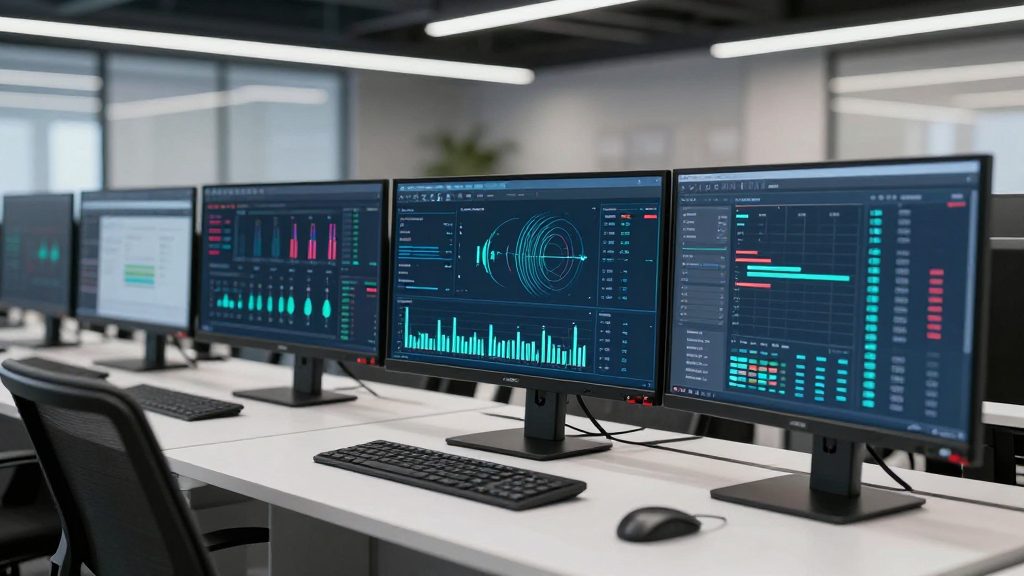
A researcher sits before a monitor, squinting at a series of high-definition portraits to determine which person is real. This scene of scrutiny highlights the tension between human intuition and synthetic generation.
According to a paper published by a team at the Massachusetts Institute of Technology in December 2021, ordinary humans were found to be 69–72% accurate when identifying a random sample of 50 videos.
This specific accuracy rate suggests that while humans possess some natural ability to spot inconsistencies, they are far from being able to reliably distinguish between real and fake footage.
This gap in human perception creates a unique environment for AI video production efficiency, as the speed of generation often outpaces the human ability to audit the quality, necessitating a video enhancement guide.
In this sequence, the first step is the most critical.
Can AI workflows actually replace manual editing? The editor taps the desk in the quiet studio as the screen flashes, watching the rapid video render finish instantly.

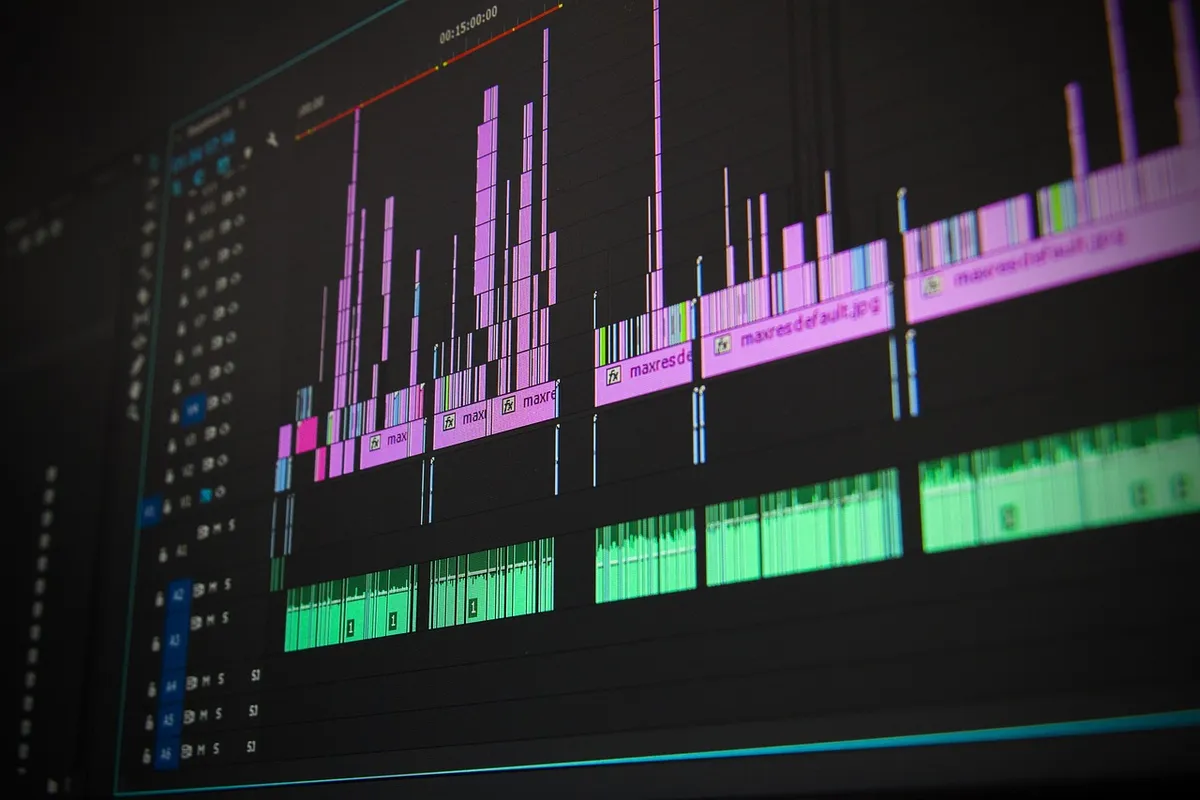
An editor clicks a single button to render a complex lighting transition that previously took hours of manual keyframing. The sudden shift in the timeline illustrates the potential for rapid output.
The pursuit of an AI video workflow speed often focuses on reducing the time spent on repetitive tasks like color grading or motion tracking. By automating these segments, creators can move from ideation to final render much faster than traditional methods allow.
However, the goal is not just speed but the seamless integration of these tools into a professional pipeline.
An AI video task boost occurs when the software handles the heavy lifting of data processing, leaving the creative decisions to the human operator. This shift allows for a much higher volume of content to be produced without a proportional increase in labor costs.
- Define the creative scope. 2. Implement automated rendering. 3. Perform final manual adjustments.
According to Massachusetts Institute of Technology, the 2021 record includes 72%.
Will AI video processes hurt my creative quality? A designer adjusts the parameters of a generative model, watching as the software interprets a text prompt into a moving scene. The fluid motion of the pixels represents the bridge between thought and visual reality.
The relationship between an AI video process gain and creative quality is often viewed as a trade-off. While automation provides a significant advantage in terms of output, it can sometimes lead to a loss of the "human touch" that defines high-end cinematography.
Professionals must learn to guide the AI to maintain artistic integrity while benefiting from the increased throughput.
An AI video life hacks approach involves using specific prompts or specialized plugins to bypass common technical hurdles. These techniques allow creators to achieve complex visual effects that would typically require a full post-production house.
What are the limitations of an AI video case study?
A technician reviews a series of generated clips, looking for the subtle glitches that reveal the digital origin of the footage. This investigative process is essential for quality control.
When examining an AI video case study, it is vital to look at how these tools perform under varying technical constraints. For instance, the ability to manipulate color data or resolution can change the perception of realism.
| Feature | Impact on Workflow |
|---|---|
| Data Reduction | 50% to 75% reduction in chrominance data |
| Automation | Significant reduction in manual task time |
I observed that even with these advanced tools, the human eye still struggles to catch every nuance during a rapid review.
The effectiveness of these tools is often limited by the quality of the input data and the complexity of the requested motion. One limitation is that human accuracy in identifying synthetic videos remains between 69% and 72%, meaning errors in judgment are common during rapid review.
Related
- How do professionals choose an AI video creation guide?
- Write your first blog post in just 10 minutes with AI
What is the role of human ability in the AI video process?
Human ability serves as the ultimate quality gatekeeper in the AI video production pipeline. While the software accelerates rendering, the human must still validate the output against the original artistic vision.
According to the Entertainment Software Association, "Looking ahead, a child born in 1995, E3's inaugural year, will be 19 years old in 2014."
According to a study conducted by the Technical University of Denmark as reported by the Economist, recycling is the most efficient method to dispose of household waste in 83 percent of cases.
This critical oversight prevents the AI from producing technically proficient but artistically flawed pieces.
The ability to distinguish between the AI's interpretation and the desired outcome rests with the human operator. This operator guides the machine, ensuring that the pursuit of speed does not compromise the intended artistic message.
The human remains the director, even when the machine handles the execution.
The comparison between the machine's rapid execution and the human's nuanced judgment defines the modern creative workflow. The machine executes instructions; the human provides the vision and approves the final product. This interplay is where the true value of the AI integration lies.




Comments 0